


Label Insights
A Buyer’s Guide to Printed Barcode Labels
A practical guide to choosing printed barcode labels, including pre-printed, sequential, variable, inventory and durable barcode label options.
Read More
Stay informed with the latest trends, tips, and news from the world of labels and thermal printing. We share our expertise to help your business thrive.
A practical guide to choosing printed barcode labels, including pre-printed, sequential, variable, inventory and durable barcode label options.
Read More
A practical explanation of barcode quiet zones, why clear space matters, and how spacing errors can lead to scanning failures in real-world applications.
Read More
A practical workflow showing how spreadsheet data becomes ready-to-apply barcode labels for apparel products, including EAN-13 and UPC formats produced without requiring artwork for each variation.
Read More
A practical guide to Royal Mail shipping labels, including Click & Drop (formerly DMO), the correct 101.6 × 152.4 mm format, and what to look for when choosing compatible direct thermal labels.
Read More
How CC Fix uses write & seal service stickers to record servicing and next service due dates on commercial catering equipment.

Discover how modern direct thermal materials are produced without bisphenol chemistry. Learn what BPA, BPS and phenols are, why they were used, and how safer, compliant coatings now deliver high-quality print without environmental or regulatory concerns.
Read More
Unsure whether to use thermal transfer or direct thermal labels? This guide from North & South Labels Ltd breaks down the differences, pros, cons, and ideal applications for each...
Read More
Unlock superior print quality and durability for your labels with the right thermal transfer ribbon. Learn about wax, resin, and wax-resin types and how to choose for your business...
Read More
Unlock perfect label adhesion. Learn about permanent, removable, and specialty label adhesives, and key factors like surface, temperature, and environment to choose the right one...
Read More
When temperatures plummet, standard labels fail. Discover how cryogenic labels maintain adhesion and readability in ultra-cold environments, crucial for labs, biobanks, and cold storage...
Read More
Shipping Lithium Batteries? Understanding UN3480 & UN3481 labelling rules is crucial for your packaging. Lithium batteries power much of the modern world, but when it comes to transport, they present serious risks—particularly fire. That's why shipments containing lithium-ion batteries fall under strict international regulations.
Read More
Thermal transfer printing creates durable, long-lasting labels by melting a solid ink ribbon onto a substrate. This method is ideal for applications requiring resistance to extreme temperatures, chemicals, and abrasion, making it a reliable choice for a variety of industries, from manufacturing to healthcare.
Read More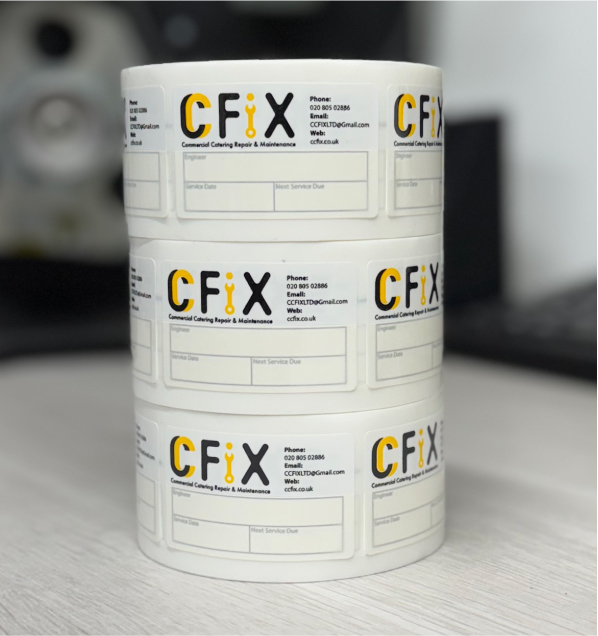
Self-laminating write & seal labels (service stickers) lock in handwritten details like dates, initials and calibration data. Durable, legible and made to order on rolls — ideal for maintenance records, inspections and asset notes where information is added on site.
Read More
Direct thermal printing is a simple, cost-effective method that uses heat-sensitive labels without a ribbon. It is ideal for quick, short-term applications like shipping labels and receipts, where durability against sunlight and heat is not a primary concern.
Read More
Regular cleaning is one of the simplest ways to maintain print quality, prevent scanning failures and extend the life of a thermal printer. This guide explains why cleaning matters, what to clean, and how to do it safely.
Read More